Get a personalized Mediterranean meal plan for hormone balance.
Try no.Diet today
The Mediterranean Diet and Hormone Balance
By: Healthtime Editorial
Fact checked by: QA Team
Updated on: October 6, 2026
0
367
8 min
In this article
- How the Mediterranean Diet Works for Hormone Balance
- Key Foods for Hormone Health on the Mediterranean Diet
- Which Hormones Does the Mediterranean Diet Impact Most?
- Putting It Into Practice: A Sample Meal Plan Framework
- Beyond the Plate: Lifestyle Habits That Support Your Hormones
- Common Considerations and Potential Pitfalls
- FAQ
- Conclusion

Does the Mediterranean diet help balance hormones?
Short answer: yes, it creates the ideal internal environment for endocrine health by stabilising insulin and lowering inflammation.
In my clinical practice, I frequently recommend this eating pattern to patients struggling with PCOS, thyroid issues, or menopausal symptoms. It is not a quick fix but a sustainable lifestyle change.
This guide covers exactly how specific nutrients influence your hormones and how to implement these changes effectively. We will look at the science, the key foods, and practical meal plans.
How the Mediterranean Diet Works for Hormone Balance
The power of the Mediterranean diet lies in its holistic approach to nutrition, which creates an internal environment where hormones can function optimally. Rather than targeting one specific hormone, it addresses the foundational pillars of metabolic and endocrine health.
I have seen countless patients improve their blood markers simply by shifting their focus to whole, unprocessed foods. This approach calms the body's stress response systems.
By providing the necessary raw materials for hormone synthesis, the diet allows your body to regulate itself naturally. Let's look at the specific mechanisms involved.
Fights Chronic Inflammation
Achieving hormonal stability starts with reducing chronic inflammation, which is often the root cause of endocrine disruption. When inflammation is high, hormone signaling becomes blocked or distorted.
This can lead to resistance in key hormones like insulin and leptin. The Mediterranean diet counteracts this with powerful anti-inflammatory staples.
For example, the omega-3 fatty acids found in two weekly servings of fatty fish dampen inflammatory pathways. Similarly, the polyphenols in extra virgin olive oil protect cells from oxidative stress.
These nutrients create a calmer biological environment. This allows for clearer communication between your glands and your cells.
Stabilizes Blood Sugar and Insulin
Promoting insulin sensitivity is perhaps the most critical factor in managing blood sugar. There is a direct link between blood sugar spikes and insulin surges.
These surges can negatively impact other hormones, particularly testosterone and cortisol. High insulin levels can trigger the ovaries to overproduce testosterone in women.
The Mediterranean diet addresses this through high-fiber foods. I advise aiming for at least 30 grams of fiber daily from legumes and whole grains.
Fiber slows sugar absorption in the gut. This prevents the sharp peaks and crashes that disrupt hormonal harmony.
Provides Building Blocks for Hormones
Supporting hormone production requires providing essential raw materials through your diet. Many people don't realize that key hormones like estrogen and testosterone are synthesized from cholesterol.
Without adequate healthy fats, your body cannot produce these vital chemical messengers. The Mediterranean diet supplies these precursors in abundance.
Foods like olive oil, avocados, and nuts are excellent sources of healthy lipids. Additionally, the diet is rich in essential cofactors.
B vitamins and zinc act as critical assistants in these production processes. Without them, hormone synthesis pathways can stall.
Nurtures a Healthy Gut Microbiome
Enhancing estrogen regulation is heavily dependent on supporting the gut environment. There is a specific group of gut bacteria known as the 'estrobolome'.
These bacteria help metabolize estrogen and ensure it is excreted properly. If your gut flora is imbalanced, excess estrogen can be reabsorbed into the bloodstream.
A diet rich in diverse plant fibers acts as a prebiotic. Eating a variety of vegetables and fruits feeds these beneficial bacteria.
This ensures proper elimination of used hormones. Preventing their recirculation is key to avoiding estrogen dominance symptoms.
Understanding these mechanisms makes it clear why specific foods are central to this eating pattern, as we will explore next.
How no.Diet simplifies this approach
Adopting a new eating pattern can be overwhelming without guidance. In my experience, using a tool like no.Diet can bridge the gap between theory and practice.
This platform offers personalized meal plans that align perfectly with Mediterranean principles. It includes trackers for steps and water, which are crucial for overall metabolic success.
Key Foods for Hormone Health on the Mediterranean Diet
While the overall pattern is key, certain foods within the Mediterranean diet are true powerhouses for hormonal support. I encourage my patients to focus on incorporating these nutrient-dense options into their daily routine.
These foods act almost like medicine for your endocrine system. Prioritizing them can accelerate your results.
Extra Virgin Olive Oil (EVOO)
Establish EVOO as your primary fat source for its potent anti-inflammatory benefits. Its power comes largely from oleocanthal, a specific polyphenol.
Oleocanthal has effects similar to ibuprofen, reducing systemic inflammation that impairs hormone function. It is a daily essential for cellular health.
I instruct readers to choose a high-quality, cold-pressed EVOO to ensure potency. Aim for 1-2 tablespoons daily, drizzled over salads or vegetables.
Fatty Fish like Salmon and Sardines
Promote healthy hormone signaling with ample omega-3 fatty acids. EPA and DHA are vital for building healthy, flexible cell membranes.
This flexibility allows hormone receptors to catch signals and function correctly. Without enough omega-3s, cell walls become rigid.
1. Salmon — Rich in Vitamin D and omega-3s for cortisol regulation.
2. Sardines — Packed with calcium and healthy fats.
3. Mackerel — Excellent source of selenium for thyroid health.
I recommend eating at least two 3.5-ounce (100g) servings of fatty fish per week. This provides a therapeutic dose of healthy fats.
Cruciferous Vegetables
Support healthy estrogen metabolism by eating plenty of cruciferous vegetables. Vegetables like broccoli, cauliflower, and kale contain a compound called Indole-3-Carbinol (I3C).
I3C helps the liver efficiently process estrogen into safe metabolites. This prevents the buildup of more harmful forms of estrogen.
Promoting a healthy ratio of estrogen metabolites is crucial for overall hormonal harmony. Aim for at least one serving daily.
Nuts and Seeds
Incorporate key minerals for hormone synthesis with a variety of nuts and seeds. A daily quarter-cup serving of almonds, walnuts, or pumpkin seeds provides healthy fats and fiber.
They are also rich in zinc and selenium. Zinc is critical for thyroid health and testosterone production.
Selenium is important for converting thyroid hormones into their active form. Flaxseeds specifically contain lignans which can help modulate estrogen levels naturally.
Legumes and Whole Grains
Maintain stable energy and insulin levels with fiber-rich complex carbohydrates. Legumes like lentils and chickpeas are ideal sources of soluble fiber.
Intact whole grains such as quinoa and oats serve a similar purpose. This fiber feeds beneficial gut bacteria and slows sugar absorption.
This prevents the hormonal rollercoaster associated with refined carbs. It keeps insulin levels steady throughout the day.
Incorporating these foods can have a direct and positive impact on specific hormonal systems in your body, which we will detail now.
Which Hormones Does the Mediterranean Diet Impact Most?
This dietary pattern doesn't just offer vague 'wellness' benefits; its components have been shown to directly influence some of the body's most important hormonal pathways. From managing blood sugar to stress, the effects can be quite profound.
I often explain to patients that food is information. What you eat tells your hormones how to behave.
Improving Insulin Sensitivity
Restore blood sugar balance by improving insulin sensitivity first. Insulin resistance is a primary driver of hormonal issues like PCOS and metabolic syndrome.
When cells ignore insulin, the pancreas pumps out more, leading to a vicious cycle. The Mediterranean diet helps reverse this process.
Being low in processed sugar and high in fiber and healthy fats, it directly improves how cells respond to insulin. This is foundational for hormonal health.
Supporting Healthy Estrogen Levels
Achieve better estrogen balance through improved metabolism and elimination. The diet's high fiber content binds to excess estrogen in the digestive tract for removal.
This prevents 'estrogen dominance', a common issue in modern life. Additionally, the diet supports liver function.
Antioxidants from colorful plants support the liver's detoxification pathways. These pathways are essential for clearing out used hormones efficiently.

Regulating Cortisol (The Stress Hormone)
Build resilience to stress by regulating cortisol output. The diet's nutrient density helps mitigate the physical effects of chronic stress.
Magnesium, found abundantly in leafy greens and nuts, has a calming effect on the nervous system. This mineral is often depleted during stress.
Furthermore, the cortisol-lowering properties of omega-3s from fatty fish are well-documented. They can help reduce baseline stress hormone levels.
Aiding Thyroid Function
Provide essential nutrients for optimal thyroid performance. Thyroid hormone production depends on key nutrients abundant in this diet.
Deficiencies in these micro-nutrients can lead to sluggish thyroid function. The Mediterranean plate covers these bases naturally.
Key nutrients: I focus on selenium (from fish and nuts) and zinc (from legumes and seeds). These are crucial for converting the inactive T4 hormone to the active T3 form.
The diet's anti-inflammatory nature also helps protect the thyroid gland from autoimmune attacks. Knowing what to eat is the first step; let's look at how to structure your meals.
Putting It Into Practice: A Sample Meal Plan Framework
Adopting the Mediterranean diet doesn't have to be complicated. Instead of a rigid plan, I recommend thinking in terms of a flexible template you can adapt to your preferences and schedule.
Consistency is far more important than perfection here. Small, daily choices add up to significant hormonal shifts.
A Sample Breakfast
Structure a hormone-balancing breakfast using the formula: Protein + Healthy Fat + Fiber. This combination promotes satiety and stable blood sugar immediately upon waking.
For a sweet option, try a bowl of Greek yogurt topped with a handful of berries and walnuts. The protein in the yogurt pairs perfectly with the fats in the nuts.
For a savory start, contrast this with two eggs scrambled with spinach alongside avocado on whole-grain toast. Both options prevent the mid-morning energy crash.
A Sample Lunch
Create a satisfying, blood-sugar-friendly lunch using a flexible 'bowl' method. This is my go-to recommendation for busy workdays.
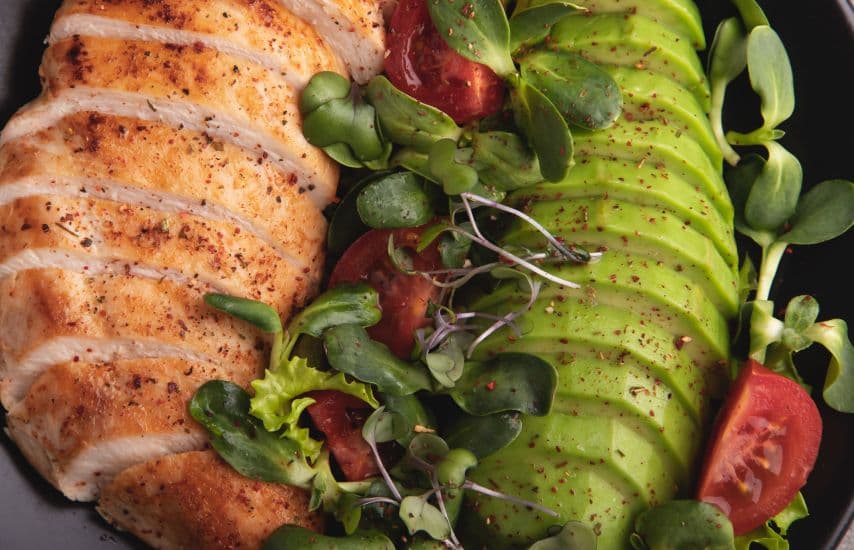
Start with a generous base of leafy greens or quinoa. Next, add a 4-ounce portion of protein like grilled chicken or chickpeas.
Include plenty of colorful vegetables and a healthy fat like olives or avocado. Finish with a simple vinaigrette made with extra virgin olive oil.
Digital tools for meal planning
If creating these combinations feels tricky, tools like no.Diet can generate these plans for you. They offer 500+ recipes and beginner-friendly guidance to keep you on track.
Using an app can help you visualize portion sizes and track macro-nutrient balance. It removes the guesswork from your daily food decisions.
A Sample Dinner
Design a nutrient-dense dinner by applying the 'plate method' for visual portion control. This technique simplifies evening meals without the need for calorie counting.
Instruct the reader to fill half their plate with non-starchy vegetables, such as roasted broccoli or asparagus. Fill one quarter with a lean protein source, like baked cod or tofu.
The final quarter should be a fiber-rich carbohydrate, such as a small sweet potato or brown rice. Drizzle everything with olive oil to finish and enhance absorption.
Hormone-Friendly Snack Ideas
Recommend snacks that prevent energy crashes by combining protein or fat with fiber. Snacking should be a tool for maintaining stable energy, not a source of empty calories.
1. Apple + Almond Butter — Fiber meets healthy fats.
2. Hummus + Carrots — Crunchy and satisfying.
3. Olives — Pure healthy fats for satiety.
While food is the foundation, other lifestyle factors play a crucial role in amplifying the diet's benefits.
Beyond the Plate: Lifestyle Habits That Support Your Hormones
From my clinical experience, nutrition is most powerful when combined with other supportive lifestyle habits. You cannot out-eat a lifestyle that constantly works against your hormonal systems.
Sleep, movement, and stress management act as the pillars that hold up your nutritional efforts. Neglecting them often leads to plateaued results.
Prioritizing Restorative Sleep
Improve hormone regulation by optimizing sleep quality and duration. A lack of sleep (generally under 7 hours) raises cortisol significantly.
It also disrupts insulin sensitivity and imbalances hunger hormones like ghrelin. This often leads to increased cravings for sugar the next day.
I recommend maintaining a consistent sleep schedule, even on weekends. Creating a cool, dark, and quiet sleep environment is also essential for deep rest.
Incorporating Mindful Movement
Use moderate exercise to enhance hormone function without burning out. Regular movement like brisk walking or yoga improves insulin sensitivity markedly.
It also reduces stress levels, which benefits the entire endocrine system. However, I caution against chronic over-exercising.

Excessive high-intensity workouts can elevate cortisol and negatively impact the adrenal and thyroid systems. Balance is key here.
Managing Daily Stress
Lower stress hormones through consistent management techniques. Dietary changes are most effective when paired with active stress reduction.
When you are constantly stressed, your body prioritizes survival over reproduction and metabolism. This can shut down non-essential hormonal functions.
Suggest accessible practices like 5 minutes of daily deep breathing or spending time in nature. Journaling can also help regulate the nervous system and lower cortisol.
As you begin this journey, it's natural to have questions about what to expect and potential hurdles.
Common Considerations and Potential Pitfalls
Adopting any new way of eating comes with a learning curve. Being aware of common questions and challenges can help you navigate the transition smoothly and set realistic expectations.
I find that patients who anticipate these hurdles are much more likely to stick with the plan. Let's address the most common concerns.
How Quickly Can You Expect Results?
Set realistic expectations for seeing hormonal changes to avoid discouragement. While benefits like stable energy may appear within weeks, deeper shifts take time.
Significant changes, such as regulating menstrual cycles or improving thyroid markers, can take 2-3 months of consistent effort. Hormones change slowly.
Emphasize that long-term consistency is more important than short-term perfection. Give your body the time it needs to heal.
Adjusting for Menopause and PCOS
Tailor the diet for common hormonal conditions to maximize benefits. For menopause, highlight the diet's benefits for heart health and managing weight.
For PCOS, I re-emphasize how blood sugar stabilization is key for managing symptoms like acne and weight gain. The lower carb approach within the Mediterranean framework often works best here.
If you have a diagnosed hormonal condition like PCOS or hypothyroidism, work with your healthcare provider. You may need a personalized plan to address specific nutrient needs.
What About Red Wine and Coffee?
Provide a balanced perspective on wine and coffee, as these are common sticking points. While one glass of red wine is traditional, it is not essential.
Alcohol can burden the liver, which is trying to clear excess hormones. It's often better to minimize intake during a healing phase.
Regarding coffee, while it has antioxidant benefits, excess caffeine can spike cortisol in some individuals. Advise readers to monitor their own response, especially regarding anxiety or sleep quality.
Still have questions? Here are the most frequent inquiries I receive in the clinic.
FAQ
Which Mediterranean foods are best for estrogen balance?
Cruciferous vegetables like broccoli and kale are superior for estrogen balance due to their I3C content. Additionally, high-fiber foods like lentils bind to excess estrogen in the gut to help excrete it.
Can the Mediterranean diet help lower high cortisol?
Yes, by providing magnesium-rich foods like spinach and almonds which calm the nervous system. Omega-3s from fish also reduce inflammation, which can lower the body's overall stress load.
Is dairy allowed on a Mediterranean diet for hormone health?
Yes, in moderation, focusing on fermented options like Greek yogurt and aged cheeses. These provide probiotics for gut health, though some individuals with severe inflammation may benefit from limiting dairy.
How is this different from other 'hormone-balancing' diets?
Unlike restrictive fad diets, the Mediterranean approach is a sustainable lifestyle based on abundance, not deprivation. It is backed by decades of clinical research for long-term metabolic and heart health.
Conclusion
Balancing your hormones is a journey of consistency, not a sprint. By nourishing your body with whole foods, you provide the tools it needs to regulate itself.
Start with small changes, like adding fatty fish twice a week or swapping refined grains for whole ones. Listen to your body as it responds to this new fuel.
If you are looking for a structured way to begin, consider using no.Diet to generate a plan tailored to your body. Taking that first step is often the most important part of healing.
Related Articles

10 Foods Associated With Slower Biological Aging
Nutrition5 min read

8 Signs Your Gut Needs Help and How to Restore Balance Naturally
Nutrition5 min read

How Much Protein Do You Need to Build Muscle, Lose Fat, and Age Strong
Nutrition5 min read
High Diet App Review: What's Inside, What It Costs, and How To Manage It
Nutrition5 min read

Flame Diet App Review: What You Get, What It Costs, and How To Cancel
Nutrition5 min read

Senior Diet App Review: What's Included, What It Costs, and How To Cancel
Nutrition5 min read
Comments
(0)Leave a comment
Your email will not be published. All fields are required.