Personalized carnivore plans to simplify your healing journey.
Explore Carnimeat options
The Carnivore Diet and Arthritis: A Guide to Reducing Inflammation
By: Healthtime Editorial
Fact checked by: QA Team
Updated on: September 17, 2026
0
235
8 min
In this article
- The Anti-Inflammatory Potential of an All-Meat Diet
- Tailoring the Approach: RA vs. Osteoarthritis vs. Gout
- Step-by-Step: Starting Carnivore for Joint Relief
- The Role of Plant Defense Chemicals in Joint Pain
- Clinical Insights: Monitoring Your Progress
- Safety and Long-Term Considerations
- FAQ
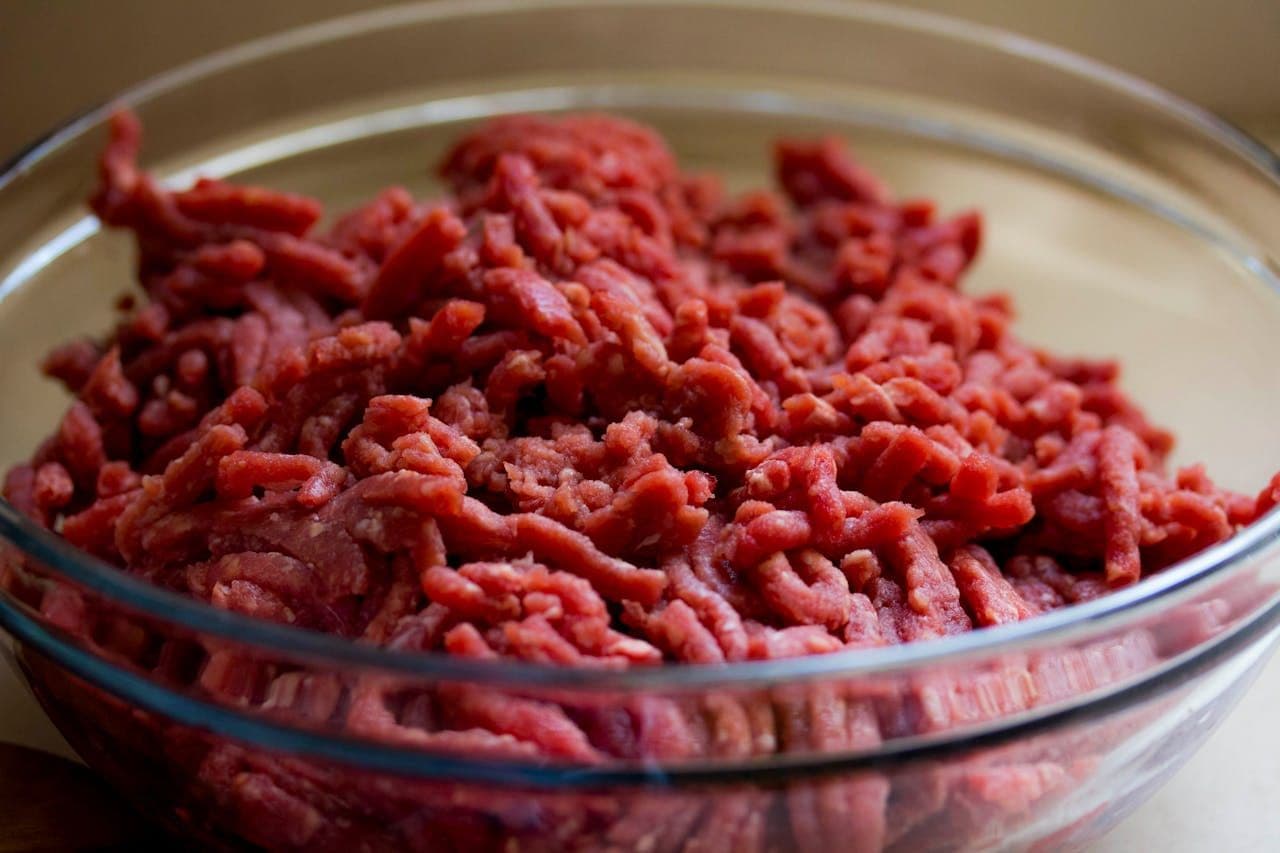
Living with chronic joint pain often feels like an endless cycle of medication and management. Many people are now turning to the carnivore diet and arthritis protocols to address the root cause of their inflammation.
The idea is that removing plant toxins and processed foods allows the immune system to finally rest. This shift can lead to profound improvements in mobility and pain levels.
This guide covers the biological mechanisms behind this relief and how to implement the diet safely. We will explore specific strategies for different types of arthritis and practical steps for getting started.
The Anti-Inflammatory Potential of an All-Meat Diet
The primary reason individuals explore this diet is to lower systemic inflammation, which drives joint pain and stiffness. By removing carbohydrates, the body shifts into a state that promotes deep healing.
This metabolic reset helps downregulate overactive immune responses. It creates an environment where tissues can repair rather than constantly defend against irritants.
The Ultimate Elimination Diet
The goal here is to identify and remove hidden dietary triggers that standard exclusion diets often miss. Many foods we consider healthy can actually provoke immune reactions in sensitive individuals.
Eliminating all potential antigens simultaneously halts 'molecular mimicry' reactions. This gives your immune system a chance to stop attacking your own tissues.
30-day baseline — Commit to a strict period of only meat, salt, and water to establish a clean slate.
Stabilizing Insulin to Lower Inflammation
High insulin levels are directly linked to systemic fluid retention and inflammatory signaling. When you remove carbohydrates, baseline insulin levels drop significantly.
This signals the kidneys to excrete excess water and salt. This process rapidly reduces the swelling that often surrounds arthritic joints.

Drop water weight — Many people experience a loss of 5–10 lbs of fluid in the first week, physically relieving joint pressure.
Ketosis and Immune Modulation
Ketosis does more than just burn fat; it actively suppresses inflammatory pathways. Restricting carbs sufficiently produces Beta-Hydroxybutyrate (BHB).
This ketone body is known to block the NLRP3 inflammasome, a key driver of inflammation. This creates a powerful internal anti-inflammatory effect without medication.
Monitor ketones — Aim for blood ketone levels of 0.5–3.0 mmol/L to ensure you are in a therapeutic zone.
Healing the Gut Lining (Leaky Gut)
Intestinal permeability is often a precursor to autoimmune flares. This diet focuses on consuming bioavailable proteins while avoiding abrasive fibers.
Collagen-rich cuts provide the glycine needed for gut wall repair. Strengthening this barrier prevents toxins from entering the bloodstream and triggering joints.
Prioritize collagen — Include connective tissues and bone broth to supply the building blocks for gut integrity.
While inflammation is the common enemy, the specific benefits of the diet can vary depending on the type of arthritis you are managing.
Tailoring the Approach: RA vs. Osteoarthritis vs. Gout
While all forms of arthritis involve joint pain, their root causes differ significantly. The carnivore diet addresses them through distinct biological pathways.
Understanding your specific condition helps set realistic expectations for relief. This tailored knowledge ensures you focus on the right metrics for success.
Rheumatoid Arthritis: Calming the Immune System
For Rheumatoid Arthritis (RA), the goal is to induce remission by removing immune triggers. This condition is autoimmune, meaning the body is attacking itself.
Focus on strict elimination to stop the immune attack on joint tissues. This is about modulation rather than just symptomatic pain relief.
Monitor stiffness — Look for a reduction in morning stiffness duration from hours to <15 minutes as a sign of success.
Osteoarthritis: Metabolic Health and Load Reduction
Osteoarthritis is often driven by mechanical stress and metabolic dysfunction. The diet helps by facilitating weight loss and correcting metabolic markers.

Leveraging the diet for weight loss decreases mechanical stress on knees and hips. Even a small reduction in weight can have a massive impact on pain.
Load relief — Losing just 10 lbs can relieve up to 40 lbs of pressure from the knees per step.
Gout: Rethinking Purines and Uric Acid
Gout management requires stabilizing uric acid levels over the long term. While meat contains purines, fructose and alcohol are often the primary drivers.
Eliminating these triggers helps the body process uric acid more efficiently. Adaptation takes time, so patience is key during the transition.
Adaptation period — Expect an adaptation window of 6–8 weeks where uric acid may fluctuate before stabilizing.
Understanding these distinctions is crucial, but successful outcomes ultimately depend on how correctly you implement the dietary protocol.
Step-by-Step: Starting Carnivore for Joint Relief
Transitioning to an all-meat diet requires preparation, especially when managing chronic pain. The body needs time to adapt to using fat for fuel instead of glucose.
Here is a practical framework for getting started safely. Following these steps can minimize transition side effects.
Core Foods: Prioritizing Ruminant Meats
Establish a nutrient-dense, anti-inflammatory base by centering meals on beef, lamb, and bison. These meats provide the optimal fatty acid profile for healing.
Aim for fatty cuts to ensure you are getting sufficient energy without carbohydrates. Salt and water should be your only additives initially.
Finding variety within these constraints can be difficult for beginners. I recommend using tools like Carnimeat to access personalized meal plans and recipes that keep you compliant.
Fat ratio — Aim for fatty cuts like ribeye or 70/30 ground beef to maintain energy levels.
Managing the 'Oxalate Dumping' Phenomenon
Many plant foods are high in oxalates, which can store in tissues and joints. As you stop consuming them, the body may release these stored crystals.
This can cause temporary joint pain or rashes, known as 'dumping'. It is important to recognize this as a healing crisis rather than a new injury.
Slow taper — Consider a 2-week slow reduction of high-oxalate foods before going full carnivore if symptoms are severe.

Hydration and Electrolytes
Dropping insulin levels causes the kidneys to flush out essential electrolytes. This can lead to muscle cramps and fatigue, often called the 'keto flu'.
You must actively replace sodium, potassium, and magnesium. Salting your food to taste is usually not enough during the first few weeks.
Sodium target — Consume 3000–5000 mg of sodium daily during the transition phase to maintain blood volume.
Navigating Medications with Your Doctor
The metabolic changes on this diet are potent and can alter medication needs rapidly. This is particularly true for blood pressure and blood sugar medications.
You must monitor your vitals daily to prevent hypoglycemic or hypotensive episodes. Prepare to taper dosages with your provider's oversight.
Insulin needs — Be aware that insulin requirements may drop by 30–50% rapidly.
Consult immediate medical help if systolic BP drops below 90 mmHg or you experience fainting.
The First 90 Days: A Realistic Timeline
Healing connective tissue takes longer than weight loss. You need to set realistic expectations for your recovery journey.
Endure the adaptation in weeks 1-2, and expect energy stabilization by weeks 3-4. Deep tissue healing often becomes noticeable in months 2-3.
Commitment window — A 90-day commitment is recommended to fully assess the impact on autoimmunity.
A major reason this timeline works is the elimination of specific plant compounds that many arthritis sufferers are unknowingly sensitive to.
The Role of Plant Defense Chemicals in Joint Pain
Many plants contain naturally occurring compounds designed to deter predators. These chemicals can inadvertently trigger immune responses or accumulate in tissues in susceptible humans.
Removing these compounds is often the key variable in resolving stubborn symptoms. We often overlook how potent these defense mechanisms can be.
Nightshades and Solanine Sensitivity
Vegetables like tomatoes, peppers, potatoes, and eggplant contain solanine. This compound is known to increase inflammation and aggravate joint pain in many people.
Solanine can persist in tissues for a long time, requiring days or weeks to clear. Complete avoidance is the only way to test for sensitivity.
Clearance time — Remember that solanine can remain in the body, requiring patience to see results.
Lectins and Gut Permeability
Lectins are proteins found in grains and legumes that bind to the gut lining. Wheat Germ Agglutinin (WGA) is particularly problematic for those with autoimmune issues.
WGA can cross the gut barrier and trigger systemic inflammation. Removing these foods helps restore intestinal barrier integrity.
Trigger removal — Remove grains and legumes to stop the binding action that compromises the gut wall.
Why Fiber May Not Be Essential for Joint Health
Contrary to popular belief, removing fiber can reduce abdominal stress and bloating. This allows the gut to rest and focus on absorption.
Meat provides high nutrient absorption without the irritation of insoluble fiber. Many people find their digestion improves significantly without it.
Gut rest — Zero fiber intake often correlates with total resolution of idiopathic constipation and bloating.
Eliminating these triggers is powerful, but verifying the results requires objective monitoring.
Clinical Insights: Monitoring Your Progress
Tracking specific biomarkers ensures the diet is improving your metabolic health alongside your subjective pain levels. Data provides the objective confidence needed to sustain this lifestyle change.
I recommend keeping a log of both lab results and daily feelings. This dual approach helps you see the full picture of your progress.
Key Inflammatory Markers to Track
To validate systemic cooling objectively, request hs-CRP (C-Reactive Protein) and ESR (Sedimentation Rate) labs. These tests measure general inflammation levels in the body.
Seeing these numbers drop can be incredibly motivating. It proves that the dietary changes are working at a biological level.
Lab target — Aim for an hs-CRP level of <1.0 mg/L as a sign of low systemic inflammation.
Understanding Lipid Changes
Assess metabolic health correctly by focusing on the Triglyceride-to-HDL ratio rather than just LDL. This ratio is a better predictor of cardiovascular risk and insulin sensitivity.
A lower ratio suggests your body is efficiently using fat for fuel. High LDL in isolation is often less concerning in the context of low triglycerides.
Ideal ratio — A ratio close to 1:1 typically indicates high insulin sensitivity and low cardiovascular risk.
Subjective Metrics: Morning Stiffness and Grip Strength
Track functional improvements by keeping a daily log of morning stiffness duration and grip strength. These are practical indicators of joint health.
Note how long it takes for your joints to loosen up each morning. Improvements here often precede changes in lab work.
Functional goal — Look for stiffness resolving in 10 minutes versus previous hours-long durations.
While the data is often promising, there are practical safety considerations to keep in mind for long-term adherence.
Safety and Long-Term Considerations
While the benefits can be profound, sustainability and safety are paramount. A few strategic adjustments can make the difference between a short-term experiment and a long-term lifestyle.
It is vital to listen to your body and adapt the protocol as needed. This is especially true for those with pre-existing health conditions.
Digital Support for Consistency
Maintaining a strict diet requires organization, especially when tracking new variables like water weight and fasting windows. I find that using dedicated tools helps maintain momentum.
Apps like Carnimeat provide trackers and community challenges that make adherence easier. Having these resources at your fingertips can prevent you from slipping back into old habits.
Addressing Nutrient Concerns
Ensure nutritional sufficiency by eating fresh meat and considering organ meats for density. Many people worry about deficiencies, but fresh meat is incredibly nutrient-dense.
Fears of scurvy are largely unfounded if you are not consuming glucose. The requirement for Vitamin C drops significantly in the absence of sugar.
Vitamin C — Fresh beef contains adequate Vitamin C to prevent scurvy when sugar competition is eliminated.
Social Navigations and Dining Out
To maintain adherence in social settings, review menus ahead of time. You can almost always find a compliant option if you look closely.
Don't be afraid to ask for modifications to your meal. Ordering plain patties or steaks without sauces is a simple request.
Cooking fat — Request meat cooked in butter rather than seed oils to avoid inflammatory additives.
When to Seek Medical Attention
It is important to distinguish diet adaptation from acute illness. While some discomfort is normal, severe symptoms are not.
Monitor for fever or localized hot joints, which are signs of septic arthritis. These require immediate professional intervention.
Immediate care is needed for a fever >100.4°F with joint swelling, as this is not a diet side effect.
With safety protocols in place, you can confidently explore the potential of this diet for your joint health.
FAQ
Does red meat cause inflammation in arthritis patients?
Research indicates that fresh, unprocessed red meat does not cause inflammation in the absence of high carbohydrates. The association is often confounded by the unhealthy lifestyle factors typically studied alongside meat consumption.
How long does it take to see results for arthritis on a carnivore diet?
Some people notice reduced water retention and pain within the first week. However, deep tissue repair and significant autoimmune remission typically require a consistent 90-day period.
Can I drink coffee on the carnivore diet for arthritis?
Many people continue to drink coffee, but it is a plant extract that can trigger some individuals. If your symptoms persist, consider a trial elimination of coffee to see if it aids your progress.
Is the carnivore diet safe for seniors with arthritis?
Yes, but seniors should pay extra attention to protein intake and hydration. It is crucial to work with a healthcare provider to adjust medications, especially for blood pressure.
Related Articles

Flame Diet App Review: What You Get, What It Costs, and How To Cancel
Nutrition5 min read

Senior Diet App Review: What's Included, What It Costs, and How To Cancel
Nutrition5 min read

K-Diet App Review: What's Inside, What It Costs, and How To Manage It
Nutrition5 min read

Is It Keto: Your Guide to Checking Foods Fast and Entering Ketosis in 3-4 Days
Nutrition5 min read
.jpg&w=3840&q=75)
What Is the Healthiest Diet for Healthy Aging in 2026: A Practical Guide
Nutrition5 min read

What to Eat on Mediterranean Diet in 2026: Practical Guide for Sustainable Energy
Nutrition5 min read
Comments
(0)Leave a comment
Your email will not be published. All fields are required.