Can You Eat Avocado on a Carnivore Diet? A Physician's Guide
By: Healthtime Editorial
Fact checked by: QA Team
Updated on: October 7, 2026
0
244
8 min
In this article
Where Avocado Fits in a Meat-Based Lifestyle
Nutritional Benefits: Why I Might Recommend Avocado
Safety Considerations: Who Should Skip Avocado?
Step-by-Step: How to Introduce Avocado Safely
Animal-Based Alternatives to Avocado
FAQ
Yes, avocado is generally considered the safest plant food to include on a flexible carnivore diet, though strict purists avoid it. This guide explores the benefits, risks, and correct implementation for those looking to expand their animal-based menu.
The carnivore diet typically excludes all plant matter to eliminate toxins and anti-nutrients. However, many people find that strict adherence can be challenging long-term.
Avocado sits in a unique position because of its high fat content and low toxicity profile. It offers a bridge for those transitioning from keto or seeking specific nutrients.
In this article, I will break down exactly how to test your tolerance for this fruit. We will cover the nutritional pros and cons to help you make an informed decision.
Where Avocado Fits in a Meat-Based Lifestyle
While purists avoid all plant matter, avocado occupies a unique grey area due to its distinct nutritional profile. Understanding the spectrum of carnivore dieting helps you decide if this fruit belongs on your plate.
Distinguish strict protocols from flexible 'ketovore'
The definition of a carnivore diet varies depending on individual health goals and tolerance levels. Strict protocols like the Lion Diet eliminate everything except ruminant meat, salt, and water to achieve maximum elimination of potential triggers.
In contrast, a 'Ketovore' or flexible carnivore approach allows for select, low-toxicity plant foods. This flexibility often helps with long-term adherence and social situations.
Diet Protocol
Key Rules
Lion Diet
Water, salt, ruminant meat only.
Strict Carnivore
All animal products allowed; no plants.
Ketovore
Meat-based plus low-toxicity plants like avocado.
While strict carnivore eliminates all phytochemicals, flexible versions utilize avocado to bridge nutrient gaps. This distinction is vital for setting expectations regarding weight loss and autoimmune symptom management.
Identify avocado as the 'safest' plant exception
When reintroducing plant foods, avocado is frequently the first choice due to its botanical characteristics. Unlike starchy tubers or sugary fruits, it contains very low digestible carbohydrates.
A typical serving contains less than 1g of net carbs, which minimizes insulin spikes. Additionally, it lacks the harsh anti-nutrients found in nightshades or the goitrogens found in cruciferous vegetables.
Many nutrition experts view avocado functionally as a fat source rather than a vegetable side dish. Its lipid profile closely resembles animal fats, making it metabolically compatible with a ketogenic state.
To understand why you might want to bend the rules, let's look at the specific benefits avocado brings to a high-fat diet.
Nutritional Benefits: Why I Might Recommend Avocado
For individuals struggling with fat intake or electrolyte balance, avocado can be a strategic tool. Its macronutrient ratio mimics the goals of a ketogenic animal-based diet better than almost any other plant.
Simplifying Your Diet Strategy
Navigating the nuances of a meat-based diet with plant exceptions can be complex for beginners. I often see people struggle to balance their macros or find reliable information.
Digital tools like Carnimeat provide personalized plans that help structure your intake effectively. This app offers over 500 recipes and trackers to ensure you stay on target even when incorporating foods like avocado.
Using a structured guide removes the guesswork from meal planning. It allows you to focus on how your body feels rather than constantly calculating nutrient ratios.
Prioritize monounsaturated fats for satiety
Achieving the correct fat-to-protein ratio is essential for energy levels on a carnivore diet. Adding one medium avocado provides approximately 21g of fat, which significantly boosts caloric density.
This is particularly helpful if you find it difficult to eat enough plain suet or beef tallow. The monounsaturated fats in avocado offer a palatable way to reach satiety signals.
Adequate fat intake prevents the fatigue often associated with 'rabbit starvation' or excessive protein consumption. It ensures your body has plenty of fuel for ketogenesis.
Replenish potassium naturally without supplements
Electrolyte imbalances, often called the 'keto flu', are a common hurdle during the adaptation phase. A single avocado offers approximately 700mg of potassium, which is significantly more than a banana.
This high potassium content helps stabilize heart rate and muscle function naturally. Relying on whole foods for electrolytes is often superior to synthetic powders.
Maintaining proper sodium-potassium balance reduces the risk of muscle cramps and lethargy. It supports optimal cellular function without the need for constant supplementation.
Leverage texture variety to maintain adherence
Dietary boredom is a real factor that can lead to falling off the wagon. The creamy, smooth texture of avocado provides a welcome contrast to the chewiness of muscle meats.
This variety can prevent diet fatigue without introducing sugar or processed ingredients. It helps preserve the metabolic state of ketosis while making meals more enjoyable.
Stimulate bile production for fat adaptation
The specific fatty acids found in avocado can help stimulate the gallbladder to release bile. Healthy bile flow is critical for individuals adapting to a high-fat lifestyle to avoid nausea.
Improved fat digestion ensures you absorb the fat-soluble vitamins from your meat. However, even 'safe' plants have chemical compounds that can trigger sensitive individuals.
Safety Considerations: Who Should Skip Avocado?
Despite their benefits, avocados are not benign for everyone, especially those using the carnivore diet to treat severe autoimmune or gut issues. Certain plant compounds may still provoke reactions in highly sensitive systems.
Screen for salicylate sensitivity
Avocados contain moderate levels of salicylates, which are natural pesticides produced by plants. These compounds can trigger inflammation or skin rashes in sensitive individuals.
People with a history of kidney stones or chronic joint pain should proceed with caution. If you notice a flare-up in symptoms, salicylates might be the culprit.
Manage histamine levels in ripened fruit
Histamine intolerance is a common reason people turn to animal-based diets. Avocados accumulate histamines as they ripen, which can cause significant reactions.
Symptoms like sudden hives, a racing heart, or migraines after eating suggest a histamine issue. Medical attention or strict elimination may be required if these symptoms occur.
Monitor gut response to fiber content
A medium avocado contains roughly 10g of fiber, which is substantial for a low-residue diet. For individuals healing SIBO or severe bloating, this fiber may feed bacteria rather than aid digestion.
If you experience gas or abdominal distention, the fiber might be irritating your gut lining. If you decide the benefits outweigh the risks, follow this protocol to introduce them without derailing your progress.
Step-by-Step: How to Introduce Avocado Safely
Reintroducing foods should be a systematic experiment rather than a random choice. Using a controlled method allows you to pinpoint exactly how your body responds to plant matter.
Implement the 3-day introduction protocol
Start by eating just 1/4 of an avocado daily for three consecutive days. This small amount allows you to test the waters without overwhelming your system.
Stop immediately if you notice any adverse symptoms. Monitor for delayed reactions like brain fog or skin flare-ups before increasing the portion size.
Select firm fruit to minimize toxins
Choose firm, just-ripe avocados to minimize histamine buildup. The longer an avocado sits and softens, the higher the histamine levels climb.
Avoid pre-made guacamoles found in grocery stores. These often contain inflammatory additives like soybean oil, onions, or garlic that can confuse your results.
Pair with lean proteins to balance energy
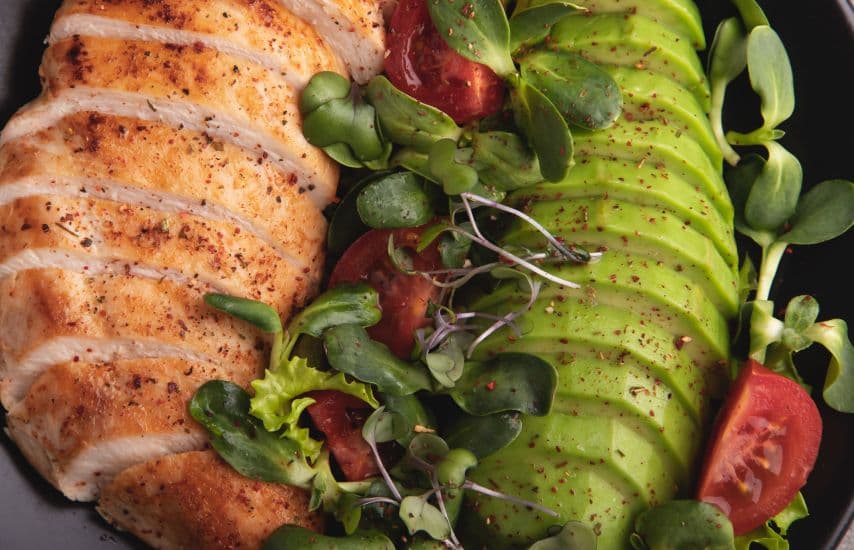
Use avocado to add fat to leaner cuts of meat like sirloin or chicken breast. This creates a more balanced macronutrient profile for your meal.
Adding avocado to an already fatty ribeye may result in excessive caloric density. This is an important consideration for those managing weight or body composition.
Verify metabolic state with ketone monitoring
Use a blood ketone meter or CGM (Continuous Glucose Monitor) to track your biological response. Testing 60 minutes post-meal confirms whether the specific carb count in the fruit is affecting your ketosis.
Data provides clarity over feelings. If you find you cannot tolerate the fruit, or prefer to stay strict, there are purely animal-based ways to get similar benefits.
Animal-Based Alternatives to Avocado
If your body reacts poorly to avocado, or if you simply prefer to adhere to strict carnivore principles, you can easily replace the nutrients and fat texture with animal products. You do not need plants to thrive.
Substitute butter and ghee for creaminess
Cold butter or ghee serves as an excellent texture substitute. These fats provide a similar mouthfeel and are rich in butyrate for gut health.
They offer the creamy satisfaction of avocado without the risk of plant toxins. Many people slice cold butter directly onto their steak.
Consume egg yolks for nutrient density
Egg yolks are often called 'nature's multivitamin' for good reason. They offer the same vitamins (A, E, K) and choline found in avocados but in a more bioavailable animal form.
Soft-boiled or raw yolks provide a rich, sauce-like consistency. They are easily digested and highly nutritious.
Prioritize pork belly for fat macros
Pork belly or beef suet are ideal for users specifically looking to increase their fat-to-protein ratio. These sources provide essential energy without the fiber load.
Animal fats are the cleanest fuel source for a carnivore metabolism. They ensure you stay satiated for hours.
FAQ
Will eating avocado kick me out of ketosis?
It is unlikely if you stick to moderate portions. Avocados are high in fat and fiber with very low net carbs, making them keto-friendly for most people.
Is avocado oil allowed on the carnivore diet?
Pure avocado oil is generally acceptable for cooking on a flexible carnivore diet. However, animal fats like tallow, lard, or ghee are superior choices due to their lack of plant processing.
How many avocados can I eat per day on carnivore?
Most people limit consumption to half or one whole avocado per day. Eating more may introduce too much fiber or total carbohydrates, potentially affecting digestion.
Does avocado cause inflammation?
For the general population, avocado is anti-inflammatory. However, for those with specific sensitivities to salicylates or histamines, it can trigger an inflammatory response.
Share this article
Link copied!
Comments
(0)
Leave a comment
Your email will not be published. All fields are required.







Comments
(0)Leave a comment
Your email will not be published. All fields are required.